Understanding the Leptin Connection: Why Weight Loss Gets Harder for Women After 35
We Value Your Privacy
This website uses cookies to enhance your browsing experience, analyze site traffic, and personalize content. By continuing to browse, you agree to our use of cookies as described in our Privacy Policy.
VENUS FACTOR
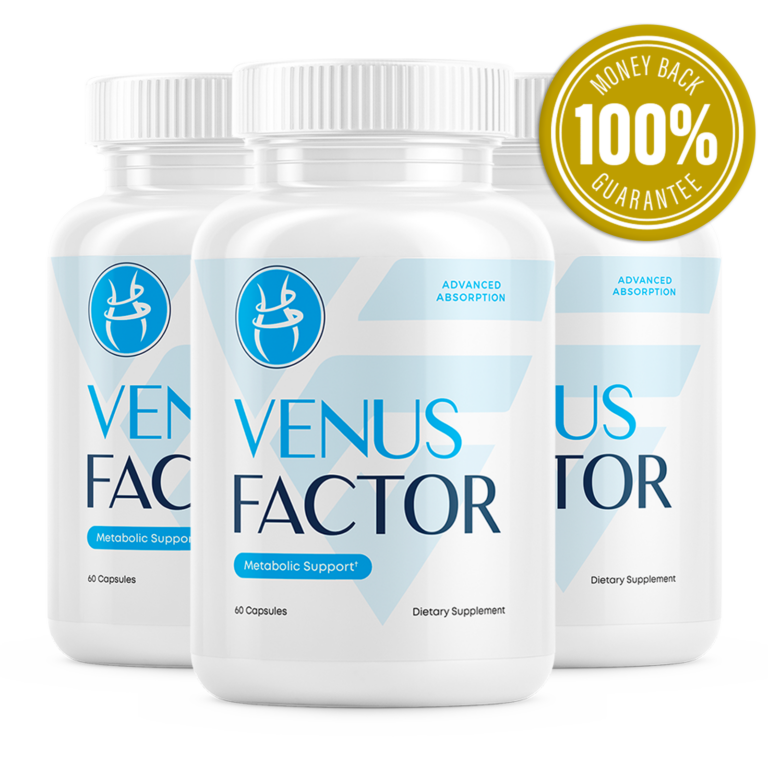
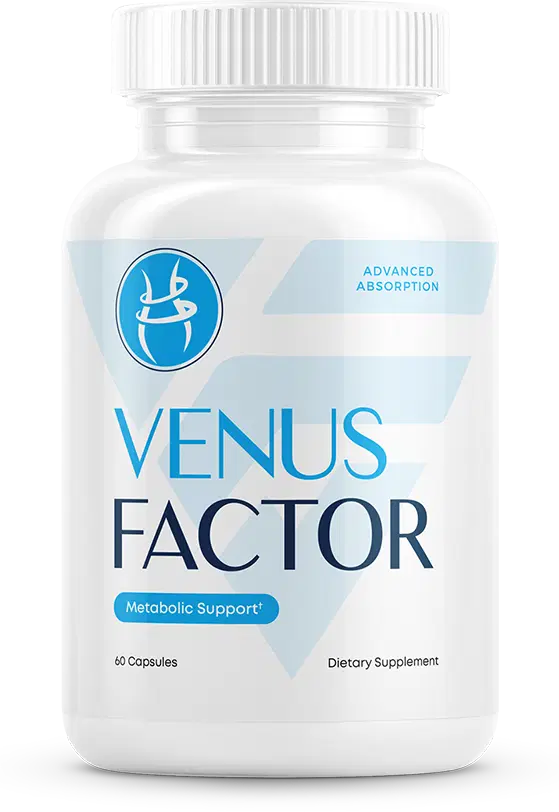
Venus Factor
Get Your Package Right Now
Save Up To $900
Free Shipping
Special Offer + Free Shipping
100% MONEY BACK GUARANTEE
Venus Factor is a plant-based metabolic support supplement formulated specifically for women. Made with natural, non-GMO ingredients, it's designed to be easy to take daily without stimulants. Thousands of people across the United States have chosen Venus Factor as part of their wellness routine. Order today and take advantage of our biggest discount yet — up to $900 off plus free shipping on select packages.
This product is backed by a 100% money back guarantee for 60 full days from your original purchase. If you're not totally and completely satisfied with this product, your results or your experience in the first 60 days from your purchase simply let us know by calling our toll free number or dropping us an email and we'll give you a full refund within 48 hours of the product being returned. That's right, simply return the product, even empty bottles, anytime within 60 days of your purchase and you'll receive a full, no questions asked refund (less shipping and handling).
Terms Of I Use Privacy Policy I Disclaimer
The information on this website has not been evaluated by the Food & Drug Administration or any other medical body. We do not aim to diagnose, treat, cure or prevent any illness or disease. Information is shared for educational purposes only. You should always consult your doctor before acting on any content on this website, especially if you are pregnant, nursing, taking medication or have a medical condition. The display of third-party trademarks and trade names on this site does not necessarily indicate any affiliation or endorsements of our website. If you click a merchant link and buy a product or service on their website, we may be paid a fee by the merchan